You have 0 items in your cart

0
- Home
- Commercial Services
- Residential Services
- Buy Mulch Online
- Safety & Compliance
- Contact
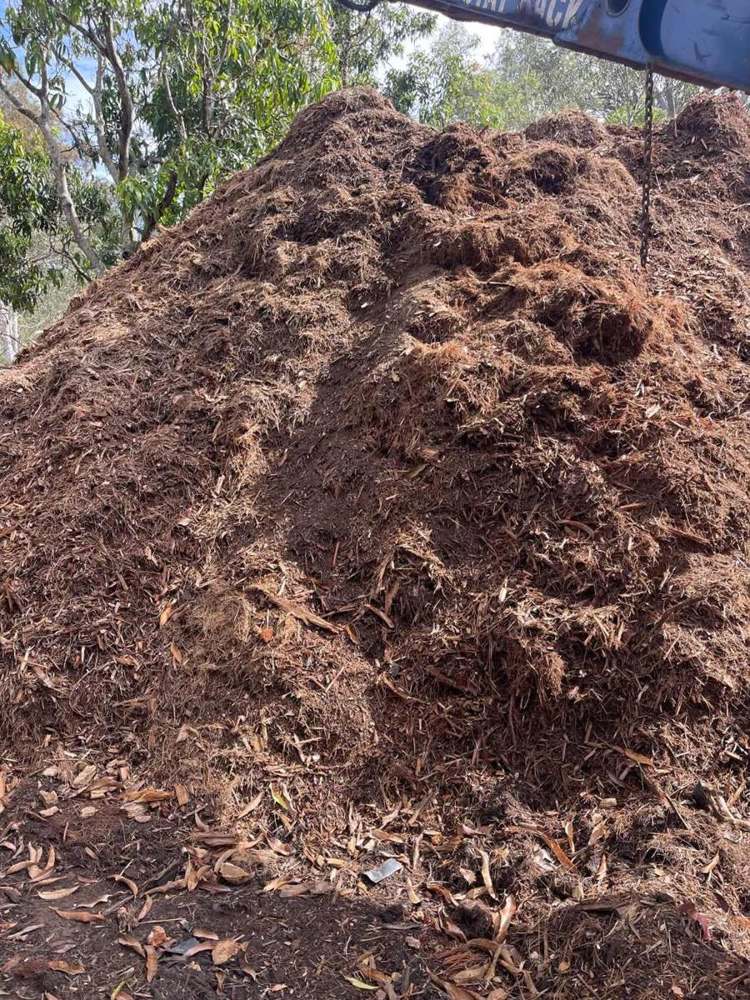
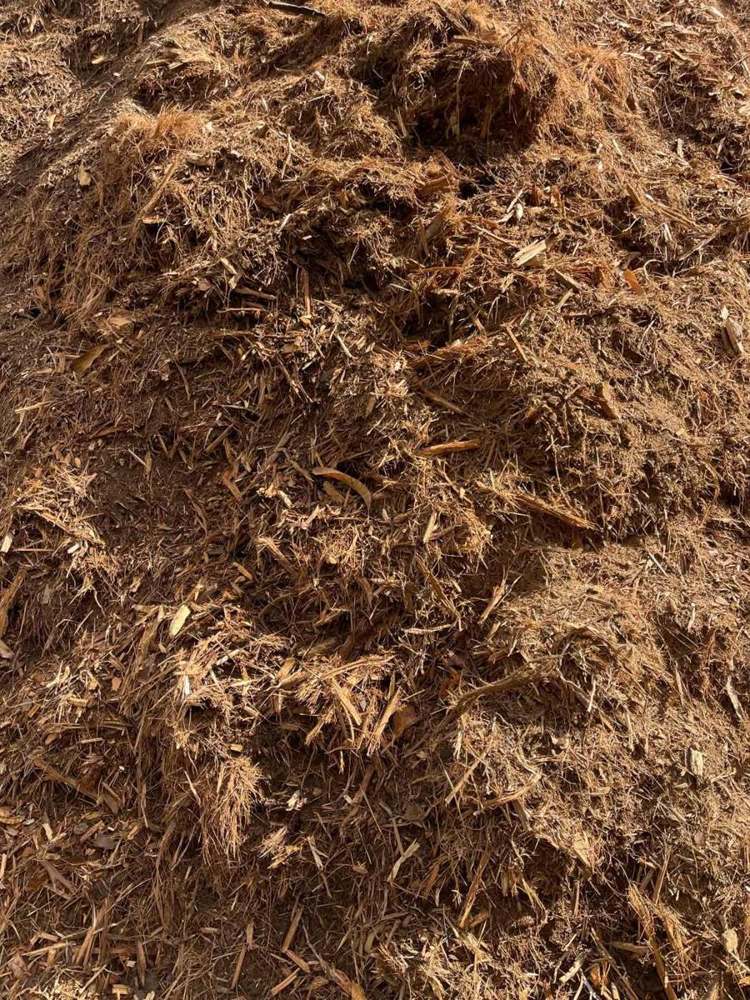
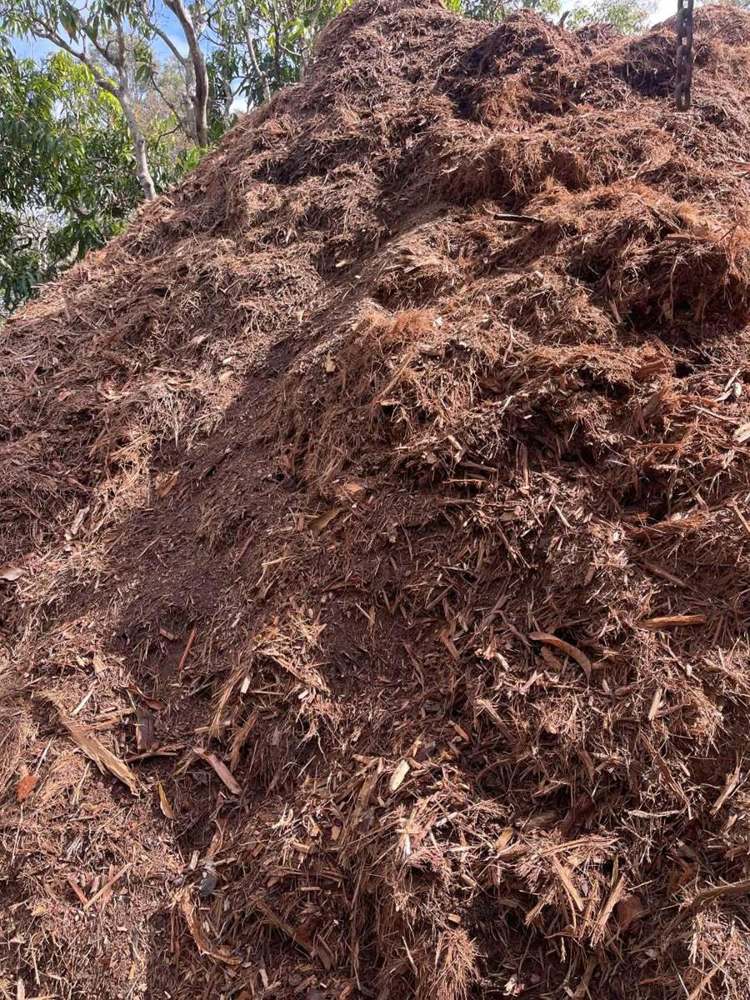
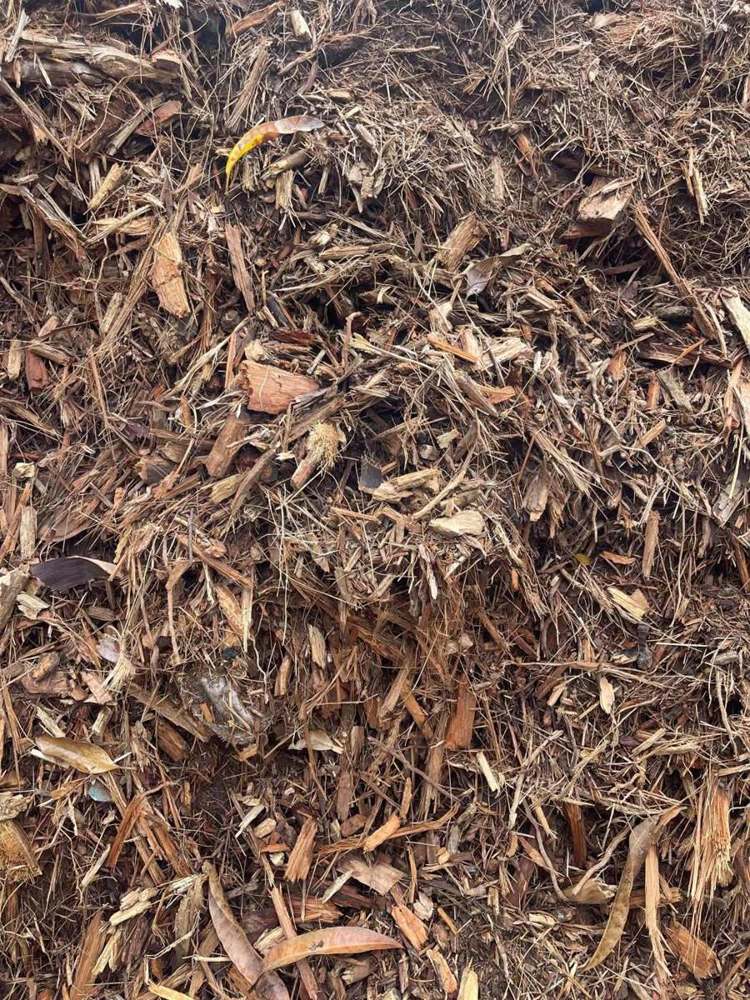
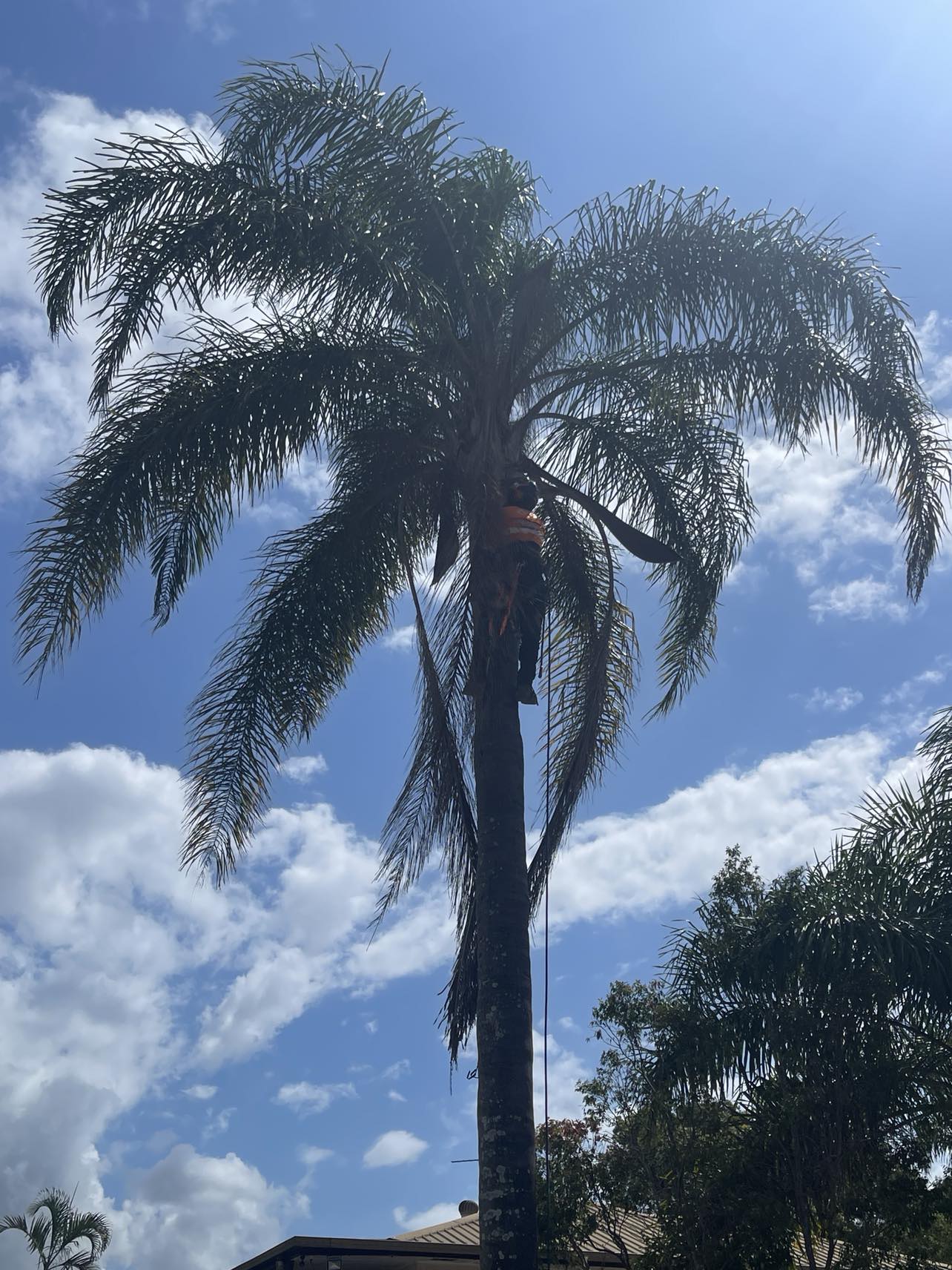
This is the mulch that comes off our palm jobs. Every cocos palm, golden cane, cabbage palm and date palm our crews take down in Brisbane, Logan and Ipswich goes through the grinder twice, and the result is a fine, fibrous, sweet-smelling mulch that garden beds love. It is cheaper than our aged forest mulch, it feeds the soil faster, and it lands on your driveway for $300 for 10m³ or $450 for 20m³, free delivery in Zone A.
Pick your load size (10m³, 20m³ or 40m³) and your delivery zone above, and the price shows before you pay. Or ring the office on 1300 239 626 or 0493 787 510 and we will book the truck for you. Delivery only, no pickups.
Palm is not like a gum tree. The trunk is a bundle of long fibres, not timber, and the fronds are long and stringy. Put a palm through a grinder once and you get a ropey, tangled mess that is hard to rake, blows around and never sits flat. We run ours through twice. The first pass breaks the palm down. The second pass chops the fibre short and even, so what comes off the truck is a fine, fluffy mulch that spreads with a rake, packs down into a mat and stays where you put it.
That second pass is the difference between palm mulch you fight with and palm mulch you actually want on your beds.
A palm trunk is a storage tank. The pith is full of starch and sugars, which is why palm sugar and sago come from palms, and the fronds carry potassium, nitrogen and magnesium that the palm pulled out of the ground while it was growing. Grind it up and lay it on a bed and all of that goes back into your soil.
The sugars in palm are an easy meal for soil fungi and bacteria. They move in within days, the worms follow, and your beds get a living layer of soil biology that fresh wood chip takes months to build.
Palm fronds are high in potassium, the nutrient behind flowering, fruiting and stem strength, plus magnesium for leaf colour. Hibiscus, citrus, frangipani, natives and veggie beds all notice.
Fresh hardwood chip borrows nitrogen from the soil while it rots. Palm has far less woody carbon per kilo and more green matter, so it borrows a lot less. It is safe on new plantings and veggie beds straight away.
Palm fibre is hollow and spongy. A 75mm layer soaks up a storm and lets it go slowly, which is exactly what a Forest Lake or Jimboomba bed needs in a hot, dry week.
Double-grind palm mats down tight. Light does not get through, and what does come up pulls out easily.
Palm mulch is lighter and fluffier than forest mulch, so a 10m³ load is less work with a wheelbarrow and a rake than the same volume of chip.
The same sugars that make palm mulch feed the soil also mean it breaks down faster. Aged forest mulch wants a top-up once a year. Palm mulch wants one every 6 to 9 months on busy garden beds. It also starts a tan, golden colour and greys off over a few months, and because it is fine and light it is not the pick for driveways, paths or heavy-traffic areas. For those, use the aged forest mulch. For garden beds, hedge lines, under fruit trees, around palms, veggie patches and anywhere you want the soil fed, palm mulch is the better buy and it costs less.
One more thing: fresh palm mulch is moist and can smell sweet, almost like cut grass or fermenting fruit, for the first few days. That is normal. Spread it within a day or two and do not leave it heaped for weeks, because a big pile of palm will heat up.
Use the calculator above: length × width in metres, pick your depth, and it gives you cubic metres. Palm mulch settles more than forest mulch, about a quarter in the first month, so lay it a little deeper than you want it to finish.
| Load | Price (Zone A) | At 75mm (standard) | At 100mm (new beds, weed control) |
|---|---|---|---|
| 10m³ | $300 | about 130 m² | about 100 m² |
| 20m³ | $450 | about 265 m² | about 200 m² |
| 40m³ (two truckloads) | $800 | about 530 m² | about 400 m² |
Zone B adds $50, Zone C $100 and Zone D $150 to those prices, and the exact figure shows above once you pick your load and zone. Most suburban blocks in Greenbank, Park Ridge or Browns Plains with a few beds take a 10m³ load. Acreage in New Beith, Munruben or Jimboomba, or a body corporate common area, is usually a 20m³ job. If you are between sizes, go bigger and spread the spare on the lawn edges and under the trees.
Delivery is priced by zone, measured from Greenbank QLD 4124. Zone A is free delivery. Pick your zone from the dropdown above, and if you are not sure which one you are in, check the map or just ring us.
Free delivery
Greenbank, Park Ridge and Park Ridge South, Boronia Heights, Hillcrest, Browns Plains, Regents Park, Heritage Park, Forestdale, New Beith, Munruben, Logan Reserve, Chambers Flat, Flagstone.
Forest Lake, Ellen Grove, Springfield, Springfield Lakes and Central, Brookwater, Augustine Heights, Logan Central, Woodridge, Kingston, Marsden, Crestmead, Waterford West, Jimboomba, Logan Village, South Maclean, Camira.
Inala, Richlands, Durack, Redbank Plains, Goodna, Collingwood Park, Bellbird Park, Springwood, Shailer Park, Loganholme, Beenleigh, Tamborine, Cedar Vale.
Ipswich, Booval, Raceview, Karalee, Sunnybank, Mount Gravatt, Capalaba, Beaudesert, Yarrabilba, Ormeau, Jindalee, Kenmore.

Further out than that, or more than 40m³? Ring the office on 0493 787 510 and we will quote it as a commercial run.
We deliver in a tipper truck, not a ute, so we need a spot the truck can get to and tip on. Before you order, have a look at your drop point for:
The tipper body goes up. We will not tip under power or service lines.
A driveway, a hardstand, a paddock gateway. Steep driveways and soft lawn are a no.
We cannot tip on nature strips, footpaths or road verges.
If the driver gets there and cannot tip safely, we refund the mulch but the delivery fee still applies, including the Zone A fee. Mulch is delivery only. Our Ellen Grove depot is a working yard with trucks, chippers and excavators moving all day, so it is not open to the public and we do not do pickups.
No. We are delivery only. The Ellen Grove depot is a working tree yard and is not open to the public, so there are no pickups and no walk-ins. Pick your load and zone above and we bring it to you.
Palm fronds and trunks from our palm removal jobs, put through the grinder twice. The first pass breaks the palm down, the second pass cuts the long stringy fibres into a fine, even mulch that spreads flat and stays put. Single-grind palm is ropey and hard to rake. Double-grind is not.
Palm trunks store starch and sugars in the pith, and the fronds carry potassium, nitrogen and magnesium. When palm mulch sits on a bed those sugars feed the soil fungi and bacteria fast, the worms follow, and the nutrients go back into the soil as it breaks down. It also holds a lot of water because the fibre is spongy.
Yes. The sugars that make it good for the soil also mean it breaks down quicker. Expect a top-up every 6 to 9 months on garden beds instead of once a year for aged forest mulch. That is the trade: more feeding, less lasting.
For the first few days it can have a sweet, slightly fermenting smell. That is the sugars going to work, and it is normal. Spread it out within a day or two of delivery and the smell goes. Do not leave it in one big pile for weeks.
Most of Brisbane’s south-west, Logan and Ipswich sits inside the fire ant biosecurity zone, and there are rules about where mulch can go and how quickly it has to be used. We move our mulch in line with those rules. Spread your load within a day of it arriving.
Termites are already in Queensland soil. Palm mulch is not a timber they favour, but any deep pile hard up against the slab or a timber deck gives them cover. Keep it a hand’s width off the house and timber and you are fine.
75mm for most beds, up to 100mm on new beds where weeds are the problem. It settles more than forest mulch, so a fresh 100mm sits at about 75mm after a month. Keep it off plant stems and tree trunks.
Scroll up, pick your load size and zone, and add it to the cart. Want something coarser and longer lasting for paths and big areas? See aged forest mulch. If the palms are still standing in your yard, our palm tree removal crew can take them down and the mulch can go straight back on your beds.
{“@context”: “https://schema.org”, “@type”: “FAQPage”, “mainEntity”: [{“@type”: “Question”, “name”: “Can I pick the palm mulch up myself?”, “acceptedAnswer”: {“@type”: “Answer”, “text”: “No. Dynamic Tree Solutions is delivery only. The Ellen Grove depot is a working tree yard and is not open to the public, so there are no pickups and no walk-ins. Pick your load and zone above and we bring it to you.”}}, {“@type”: “Question”, “name”: “What is double-grind palm mulch?”, “acceptedAnswer”: {“@type”: “Answer”, “text”: “Palm fronds and trunks from Dynamic Tree Solutions’ palm removal jobs, put through the grinder twice. The first pass breaks the palm down, the second pass cuts the long stringy fibres into a fine, even mulch that spreads flat and stays put. Single-grind palm is ropey and hard to rake. Double-grind is not.”}}, {“@type”: “Question”, “name”: “Why is palm mulch good for gardens?”, “acceptedAnswer”: {“@type”: “Answer”, “text”: “Palm trunks store starch and sugars in the pith, and the fronds carry potassium, nitrogen and magnesium. When palm mulch sits on a bed those sugars feed the soil fungi and bacteria fast, the worms follow, and the nutrients go back into the soil as it breaks down. It also holds a lot of water because the fibre is spongy.”}}, {“@type”: “Question”, “name”: “Does palm mulch break down faster than forest mulch?”, “acceptedAnswer”: {“@type”: “Answer”, “text”: “Yes. The sugars that make it good for the soil also mean it breaks down quicker. Expect a top-up every 6 to 9 months on garden beds instead of once a year for aged forest mulch. That is the trade: more feeding, less lasting.”}}, {“@type”: “Question”, “name”: “Does fresh palm mulch smell?”, “acceptedAnswer”: {“@type”: “Answer”, “text”: “For the first few days it can have a sweet, slightly fermenting smell. That is the sugars going to work, and it is normal. Spread it out within a day or two of delivery and the smell goes. Do not leave it in one big pile for weeks.”}}, {“@type”: “Question”, “name”: “Is palm mulch allowed to move around the fire ant zone?”, “acceptedAnswer”: {“@type”: “Answer”, “text”: “Most of Brisbane’s south-west, Logan and Ipswich sits inside the fire ant biosecurity zone, and there are rules about where mulch can go and how quickly it has to be used. We move our mulch in line with those rules. Spread your load within a day of it arriving.”}}, {“@type”: “Question”, “name”: “Will palm mulch bring termites?”, “acceptedAnswer”: {“@type”: “Answer”, “text”: “Termites are already in Queensland soil. Palm mulch is not a timber they favour, but any deep pile hard up against the slab or a timber deck gives them cover. Keep it a hand’s width off the house and timber and you are fine.”}}, {“@type”: “Question”, “name”: “How thick should I spread palm mulch?”, “acceptedAnswer”: {“@type”: “Answer”, “text”: “75mm for most beds, up to 100mm on new beds where weeds are the problem. It settles more than forest mulch, so a fresh 100mm sits at about 75mm after a month. Keep it off plant stems and tree trunks.”}}]}
