
You have 0 items in your cart
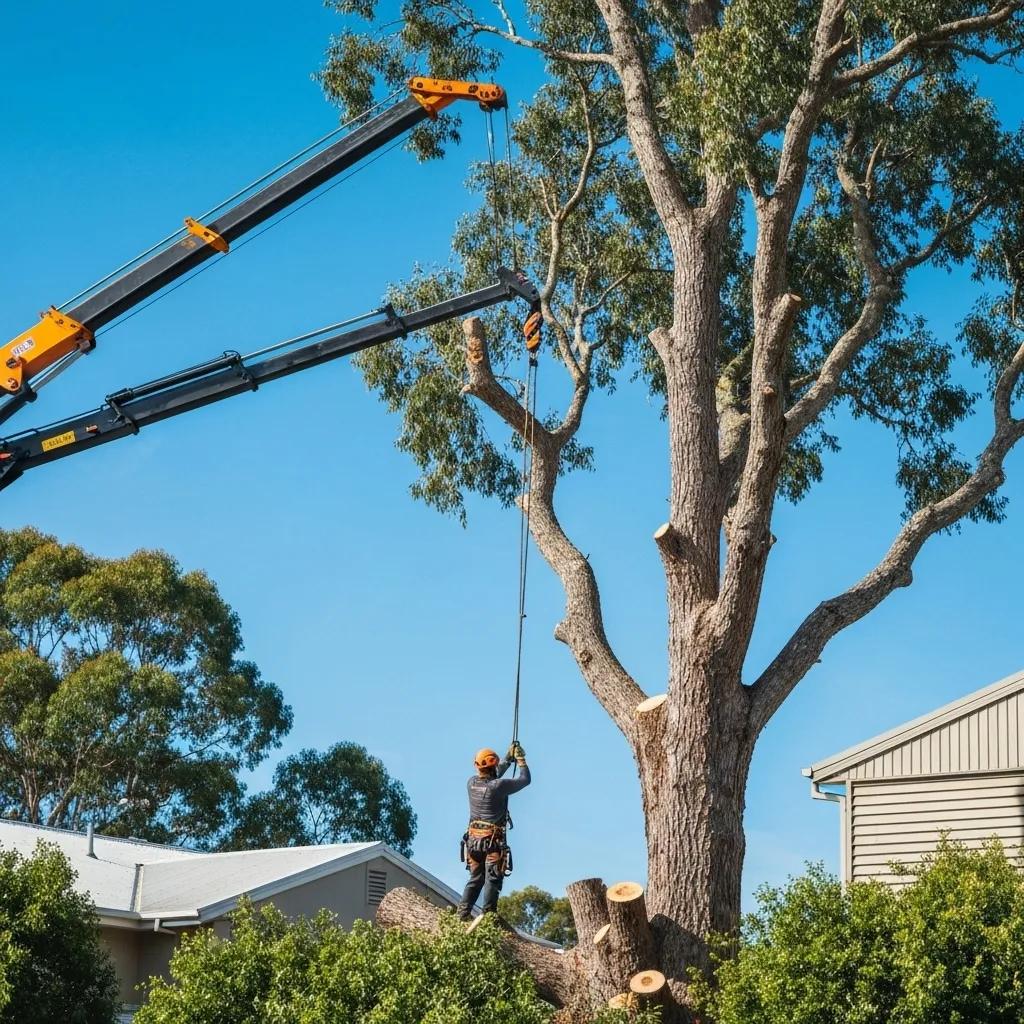
Trusted Commercial Tree Removal in Brisbane: Safe, Compliant, Expert Solutions
Are you concerned about potential damage to your infrastructure or facing council fines due to overgrown or unsafe trees on your business premises? For Brisbane businesses, understanding how to safely remove trees in accordance with regulations is crucial for protecting property, staff, and customers. This guide will show you why reliable commercial tree removal services in Brisbane provide expert solutions that boost site safety, ensure council compliance, and improve environmental outcomes. We’ll cover the core services and methods, walk you through the removal process step-by-step, discuss arborist qualifications and local rules, highlight specialised offerings, examine safety and insurance measures, and demonstrate sustainable practices that support Brisbane’s urban greenery.
What Are Commercial Tree Removal Services in Brisbane and Why Are They Essential?
Commercial tree removal services in Brisbane involve the systematic assessment, safe cutting, dismantling, and disposal of trees on business, institutional, or development sites to safeguard assets and comply with local regulations. By using specialised equipment and AQF certified arborist arborists, these services minimise risks like structural damage, staff injuries, and legal penalties. For instance, a large eucalyptus tree overhanging a shopping precinct can be carefully dismantled section by section to ensure pedestrian safety. Understanding this fundamental aspect sets the stage for exploring the detailed components of professional tree removal.
What Does Commercial Tree Removal Include?
Commercial tree removal encompasses a range of essential services designed to manage tree-related risks and prepare sites for ongoing operations. These services include:
- Thorough site assessment and risk evaluation to identify hazards and logistical needs.
- Precise directional felling and sectional dismantling to control the tree’s descent safely.
- Crane-assisted removal for large or hard-to-reach trees.
- stump grinding and root removal to prevent regrowth and eliminate tripping hazards.
- Debris chipping, mulch production, and waste removal to leave the site clean and tidy.
Each stage of the service minimises risk and prepares the area for subsequent development or landscaping, naturally leading to why professional expertise is so vital.
Why Is Professional Commercial Tree Removal Critical for Brisbane Businesses?
Engaging certified arborists significantly enhances safety, compliance, and operational continuity for commercial sites by applying industry best practices and adhering to legal standards. Trained specialists conduct detailed risk assessments, develop customised removal plans, and utilise advanced equipment to prevent property damage and personal injury. For example, a warehouse manager who hired arborists to remove a storm-damaged gum tree successfully avoided costly building repairs. Ensuring professional involvement also streamlines the permit acquisition process, allowing business activities to continue uninterrupted.
How Does Brisbane’s Climate Impact Commercial Tree Removal Needs?
Brisbane’s subtropical climate, known for its heavy rainfall and occasional storms, accelerates tree growth and increases the likelihood of storm damage, making proactive removal and maintenance essential. High humidity can promote fungal decay in large trees, leading to structural weaknesses that pose safety risks. Following a severe storm, businesses often require urgent removal of fallen branches or uprooted trees to restore access. Understanding these environmental factors directly informs the structured removal process.
How Does the Commercial Tree Removal Process Work in Brisbane?
The commercial tree removal process in Brisbane follows a structured sequence of assessment, planning, execution, and cleanup to ensure optimal safety and efficiency. By integrating detailed site surveys with methodical felling techniques and thorough debris management, arborists deliver predictable outcomes that protect personnel and property. This process framework ensures every removal aligns with client objectives and council requirements.
What Steps Are Involved in Site Assessment and Planning?
Site assessment and planning commence with a comprehensive survey of the tree’s health, structural integrity, and surrounding infrastructure. Arborists inspect the canopy spread, root stability, and proximity to powerlines to develop a removal plan tailored to the specific site conditions. For instance, assessing a corner office site might reveal underground utilities that necessitate the establishment of excavation avoidance zones. The key steps include:
- Consulting with clients to understand their goals and any access constraints.
- Conducting thorough inspections of tree health and stability.
- Mapping adjacent assets such as buildings, roads, and utilities.
- Designing safe removal zones and equipment staging areas.
- Preparing detailed method statements and job safety analyses.
This meticulous groundwork minimises unforeseen delays and lays the foundation for precise felling techniques.
What Safe Tree Felling Techniques Are Used for Commercial Properties?
Commercial arborists enhance safety by employing directional felling, sectional dismantling, and crane-assisted removal to control the tree’s descent and protect surrounding assets. Directional felling uses carefully placed hinge cuts to guide large trunks away from structures, while sectional dismantling allows branches to be lowered safely using rope and pulley systems. Crane-assisted removal provides secure handling for oversized or high-risk trees. These techniques significantly improve site safety by reducing collateral damage and simplify logistics in complex commercial environments.
How Is Debris Removed and Sites Cleaned After Tree Removal?
Following tree felling, debris removal and site cleaning involve mulching branches, chipping limbs, and transporting wood waste off-site for recycling or biomass fuel. Chippers break down woody material into mulch that can be reused for landscaping or soil conservation. Root wrenches are used to extract stumps, and excavators backfill the resulting holes to restore the ground level. This comprehensive debris management process ensures commercial properties are left safe and ready for immediate use or further development, seamlessly transitioning to considerations about arborist expertise.
What Qualifications and Expertise Should a Commercial Arborist in Brisbane Have?
Commercial arborists in Brisbane must possess formal training, relevant certifications, and practical experience to deliver dependable tree removal services that comply with safety and regulatory standards. Credentials ensure that personnel understand tree biology, risk mitigation strategies, and site-specific regulations. Recognising these requirements helps businesses select qualified professionals.
Which Certifications and Licenses Are Required for Commercial Arborists?
Commercial arborists must hold certifications and licenses that demonstrate their proficiency in arboriculture and compliance with Queensland’s regulatory framework. Key certifications include:
| Certification | Level | Issuing Body |
|---|---|---|
| Arboriculture Technician | 3 | Australian Qualifications Framework |
| Arborist (Advanced) | 5 | Registered Training Organisation |
| QBCC professional tree felling Licence | N/A | QBCC (Queensland Building and Construction Commission) |
Possessing these credentials verifies technical skills and legal authorisation, facilitating collaboration with consulting arborists (Australian Qualifications Framework, AQF Levels).
What Is the Role of Consulting Arborists in Commercial Tree Services?
Consulting arborists perform specialised risk assessments, prepare detailed management plans, and provide expert reports to guide decision-making processes for commercial projects. Their roles include conducting tree risk rating systems, advising on permit applications, and recommending mitigation strategies. These specialised services assist businesses in navigating complex tree regulations and achieving safe, compliant outcomes.
How Do Arborists Manage Tree Health and Disease on Commercial Sites?
Arborists maintain tree health through regular inspections, accurate identification of pests and diseases, and targeted treatment programs designed to preserve both the aesthetic value and structural integrity of trees. They employ integrated pest management techniques, including biological controls and selective pruning, to prevent decay. For example, treating fungal bark disease on a commercial boulevard gum tree ensures its longevity and reduces the risk of removal. This ongoing maintenance highlights the importance of understanding local regulations before undertaking any removals.
What Are the Brisbane Tree Removal Regulations and Permit Requirements for Commercial Properties?
Commercial tree removal in Brisbane is governed by Brisbane City Council tree regulations that aim to protect significant and native trees, which require permits and adherence to environmental guidelines. Navigating these requirements effectively prevents fines and legal challenges, making regulatory knowledge a cornerstone of trustworthy services.
What Brisbane City Council Tree Laws Affect Commercial Tree Removal?
The Brisbane City Plan designates protected tree species and applies a Tree Protection Overlay to commercial zones, requiring approval for the removal of any significant trees—typically those over 3 metres in height or of heritage value (Brisbane City Council, Brisbane City Plan 2014). These laws are in place to maintain urban canopy cover and cultural heritage. Understanding these legal frameworks enables businesses to plan removals effectively without incurring penalties.
How Do You Apply for Commercial Tree Removal Permits in Brisbane?
Applying for a commercial tree removal permit involves the following steps:
- Determining the tree’s classification under council regulations.
- Submitting a development application accompanied by supporting arborist reports.
- Paying the required assessment fees and providing detailed site plans.
- Awaiting Council approval process or specific conditions for the removal work.
- Scheduling the removal within the permit’s validity period.
Completing this process accurately ensures legal compliance and facilitates the timely commencement of the project.
Which Tree Species Are Protected in Brisbane Commercial Areas?
Identifying protected species is crucial to avoid unintentional breaches of council regulations. Commonly protected species include:
| Species | Protection Status | Permit Requirement |
|---|---|---|
| Eucalyptus grandis | Significant | Full development application |
| Moreton Bay fig | Protected | Prior council approval |
| Rain tree | Significant | Formal permit and assessment |
Recognising these species helps commercial clients plan removals that respect environmental values, leading into an exploration of specialised services.
What Specialized Commercial Tree Services Are Available in Brisbane?
Beyond standard removal, commercial sites may require additional services, including land clearing, emergency response, stump grinding, and tailored maintenance plans tailored to specific industry needs. Leveraging these specialised offerings enhances site readiness and safeguards operations.
What Does Commercial Land Clearing in Brisbane Involve?
Commercial land clearing involves the removal of all vegetation, stumps, and debris to prepare sites for construction or redevelopment. Equipment such as mulchers, excavators, and skid steers is used to systematically clear undergrowth and trees. For instance, clearing a former industrial lot ensures a level surface for new commercial development and mitigates future maintenance costs.
When Is Emergency Commercial Tree Removal Needed and How Is It Handled?
Emergency commercial tree removal is necessary when storm events or sudden structural failures create immediate hazards. Certified teams respond rapidly by assessing the risk, securing the area, and executing the removal using crane support and sectional dismantling techniques. Emergency protocols are designed to enhance public safety and restore business operations promptly.
How Is Commercial Stump Grinding Performed and Why Is It Important?
Commercial stump grinding uses specialised grinders to reduce stumps to at least 300 millimetres below ground level, effectively eliminating trip hazards and preventing regrowth. The process generates mulch that can be repurposed on-site as a soil conditioner. Thoroughly removing stumps is essential for facilitating paving installations and landscape design for functional workspace areas.
What Are Commercial Tree Maintenance Plans and Their Benefits?
Maintenance plans outline scheduled inspections, pruning cycles, and health monitoring to extend tree lifespan and maintain safety on commercial properties. Key advantages include:
- Reduced risk of branch failure through proactive pruning.
- Early detection of pests and diseases for targeted treatments.
- Consistent compliance with council tree management guidelines.
- Enhanced aesthetic appeal and overall property value.
Implementing these plans helps reduce long-term removal costs and builds a foundation of trust.
How Do Safety, Insurance, and Trust Build Confidence in Brisbane Commercial Tree Removal?
Combining rigorous safety protocols, comprehensive insurance coverage, and transparent communication establishes credibility and provides peace of mind for commercial clients. These elements work together to protect businesses, workers, and the public.
What Public Liability Insurance Should Commercial Tree Removal Companies Have?
Commercial tree removal providers must carry public liability insurance with a minimum coverage of AUD 20 million to protect against claims for property damage or personal injury. Adequate coverage ensures that businesses are protected from financial risk in the event of accidents during tree work.
What Workplace Health and Safety Protocols Are Followed?
Commercial arborists adhere to the Work Health and Safety Act by conducting job safety analyses, enforcing the use of personal protective equipment, and maintaining safe operating procedures. Regular toolbox talks and site-specific risk assessments foster an ongoing safety culture.
How Do Client Testimonials and Case Studies Demonstrate Reliability?
Client testimonials and detailed case studies showcase a company’s proven track record of delivering safe, compliant, and timely services on a variety of commercial projects. For example, a tree removal project at a university campus documented reduced campus closures and zero incidents, reinforcing provider reliability through social proof.
How Do Environmental Responsibility and Sustainability Influence Commercial Tree Removal in Brisbane?
Integrating sustainable practices into tree removal operations supports Brisbane’s urban ecosystem and aligns with the growing demand for eco-friendly services. Responsible methods minimise environmental impact and foster community support.
What Sustainable Practices Are Used in Commercial Tree Removal?
Commercial arborists employ green waste recycling, often converting wood chips into mulch, and coordinate with local biomass facilities to repurpose logs. These practices enhance resource efficiency and reduce landfill waste.
How Does Native Replanting Support Brisbane’s Urban Environment?
Replacing removed trees with native species, such as Corymbia citriodora or Melaleuca quinquenervia, helps maintain biodiversity and urban habitat corridors, thereby enhancing canopy resilience and supporting local wildlife populations.
What Are the Benefits of Eco-Friendly Commercial Tree Services?
Eco-friendly commercial tree services offer benefits including a reduced carbon footprint through waste recycling, improved soil health via mulch application, and enhanced corporate sustainability profiles that resonate with environmentally conscious stakeholders.
The expertise, focus on compliance, and sustainable methods detailed in this guide highlight why trusted commercial tree removal services in Brisbane are essential for safeguarding property, people, and the environment. By selecting certified arborists, adhering to council regulations, and embracing eco-friendly practices, businesses can protect their assets and contribute to a greener urban landscape.
Frequently Asked Questions
Why is professional commercial tree removal important for businesses in Brisbane?
Commercial properties often face risks from large or damaged trees, especially during storms in Brisbane’s subtropical climate. Hiring certified arborists ensures trees are safely removed while protecting buildings, staff, and customers. Professional removal also guarantees compliance with Brisbane City Council vegetation rules regulations, reducing the risk of costly fines.
What services are included in commercial tree removal in Brisbane?
A full service includes site assessments, directional felling, sectional dismantling, stump grinding, and debris management. For complex projects, crane-assisted removals and detailed safety planning are used. Once the removal is complete, the site is cleaned and green waste is often recycled into mulch, leaving the area safe and ready for future use.
Do businesses need council approval for tree removal in Brisbane?
Yes, in many cases council permits are required, especially if the trees are significant or protected under the Brisbane City Plan. Businesses must submit applications with arborist reports and site details before work begins. Using a professional service ensures the process is handled correctly and avoids penalties for non-compliance.
How much public liability insurance should a Brisbane commercial tree removal company carry?
Reputable providers in Brisbane carry a minimum of AUD 20 million in public liability insurance. This level of cover protects businesses from financial risks if property damage or personal injury occurs during professional tree removal. Always confirm insurance details before engaging a contractor to ensure peace of mind.
How do sustainable practices benefit commercial tree removal projects in Brisbane?
Sustainability is central to modern tree services. Arborists recycle wood into mulch, repurpose logs for biomass, and replant native species to maintain Brisbane’s urban canopy. These practices reduce landfill waste, improve soil health, and support corporate sustainability goals, all while protecting the city’s natural environment.
